 Idaho Law Blog













By: Fred Lewis and George Casper
Workers’ Compensation is a system of insurance that pays an employee that cannot work because he or she has been injured while working. Workers’ Compensation can have very complicated medical and legal issues depending on the severity of the workers’ injuries and other factors. Although some cases can get complicated, every case follows the same general pattern. Knowledge of this pattern helps clients to understand what stage of the claim process they have reached. The purpose of this two-part blog is to explain these steps to make injured workers aware of potential legal actions they can take.
Any worker injured while performing duties related to their job is entitled to certain worker’s compensation benefits by law. These benefits are: (1) The payment of any medical care necessary to treat the injury, (2) Total Temporary Disability (TTD) Benefits, and (3) Partial Permanent Impairment (PPI) Benefits. These benefits are normally acquired without the intervention of an experienced Idaho Worker’s Compensation attorney. However, it is always helpful to have the assistance of experienced Idaho Worker’s Compensation attorney to guide you. (no fees will be charged when the claim has been accepted and the above benefits are being paid.) The payment of medical bills is pretty straightforward, so there is no need to delve further into the topic.
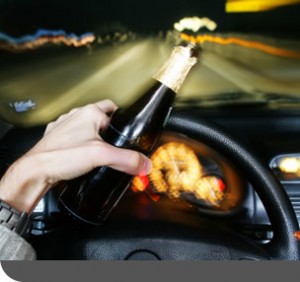 If you do decide to bring suit against an impaired driver (you’d be misguided not to), it is important to know where the person was drinking. According to Idaho Code 23-808, the business selling the alcohol to the drunk driver can be indicted as a co-contributor to the car accident under dram shop liability. Dram shop law states that liability can be thrust upon establishments that provide alcoholic beverages if they sell drinks to visibly intoxicated persons or minors who subsequently cause death or injury to third parties not associated with the establishment. Dram shop can be especially useful if the drunk driver who caused the car accident is either underinsured or uninsured.